
Which board should you buy?
All of these run MeshCore. The difference is what job you want the node to do. Prices and availability change constantly, so ask in the group before ordering, we keep track of what's in stock and what's worth avoiding.
Make sure you're buying the 915 MHz version
Companions
The radio you carry. It pairs with your phone over Bluetooth, and it's the one you send and read messages through. If it has a good external antenna, it can also act as a mobile repeater for areas without coverage to keep your team connected.
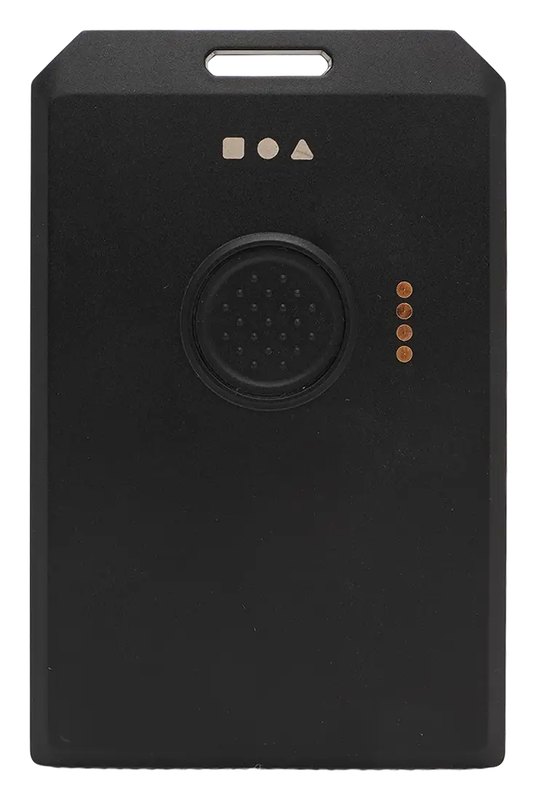
WisMesh Tag
Recommended for new users. It's easy to use, well supported, and easy to carry around on a daily basis. Built on the RAK4631 it has a 22 dBm transmitter and excellent battery life and built in GPS with 1000 mAh battery.
Reviewed by Adrelien (opens in a new tab)
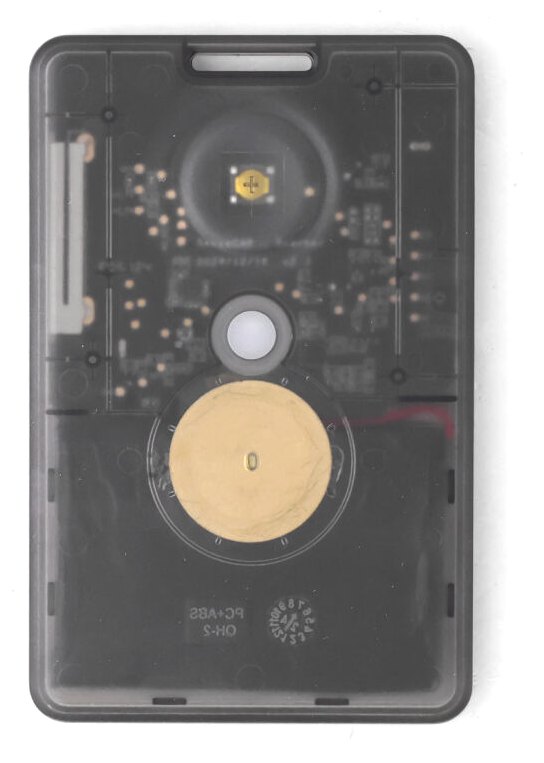
SenseCap Card Tracker T1000-E
Recommended for new users. It's easy to use, well supported, and easy to carry around on a daily basis. Built on the XIAO nRF52840 and Wio-SX1262 it has a 22 dBm transmitter and good battery life and built in GPS with 700 mAh battery.
Reviewed by NoDak Mesh (opens in a new tab)
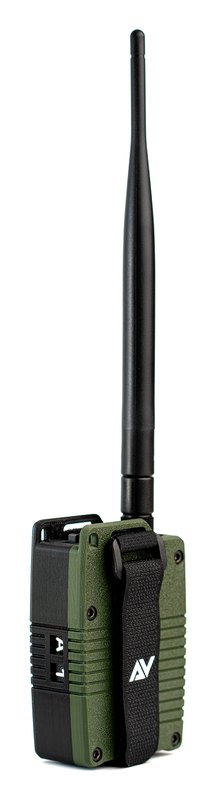
Atlavox M1
A rugged handheld built on the same RAK WisBlock core as the repeater pick, in a 3D-printed case with a large battery. It takes a full-size SMA antenna for more range than a built-in one, but the antenna is sold separately, so budget for one.
Where to buy
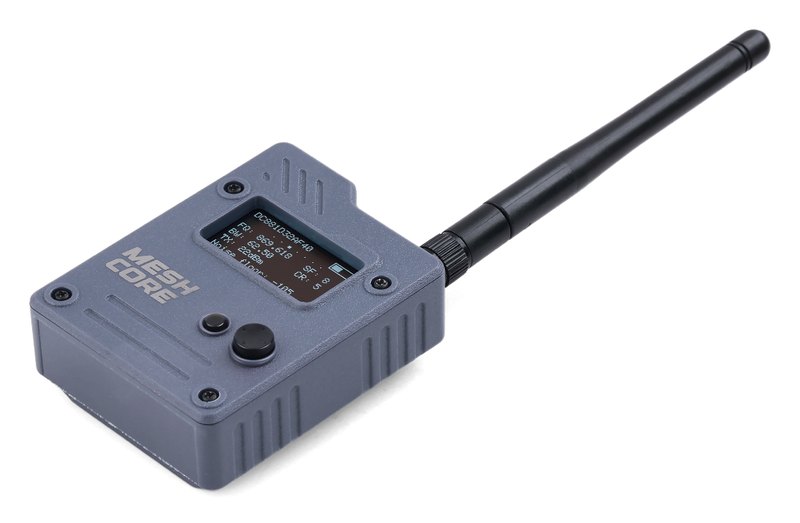
Wio Tracker L1 Pro
Arrives with MeshCore's companion firmware already installed, so there is nothing to flash. A 1.3-inch screen shows status at a glance, GPS is built in, and the 2000 mAh battery is included and can also top up from a small solar panel.
Reviewed by NoDak Mesh (opens in a new tab)
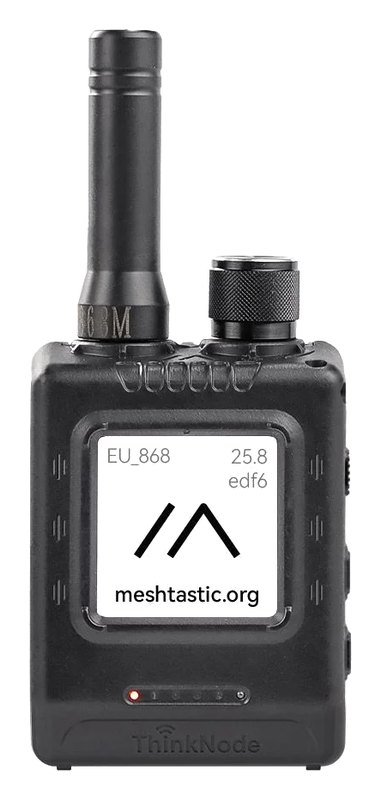
ThinkNode M1
A rugged handheld with a 1.54-inch e-paper screen that stays readable in sunlight and barely touches the battery, plus GPS and a 1200 mAh battery rated for over 48 hours. It takes an external antenna. It ships with Meshtastic, so flash MeshCore with the web flasher before you use it.
Reviewed by Adrelien (opens in a new tab)
Where to buy
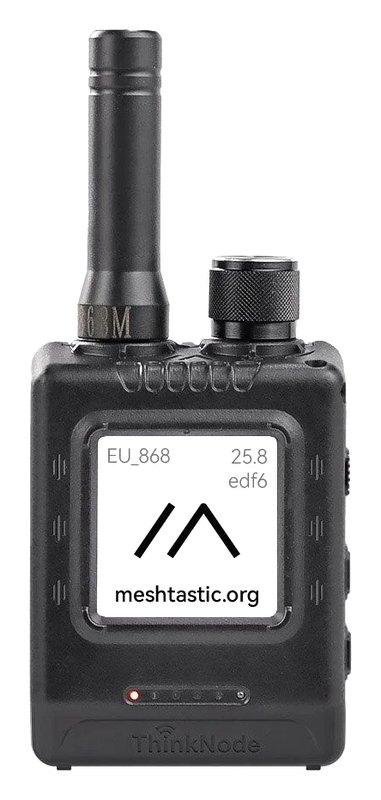
ThinkNode M5
The ESP32-S3 sibling of the ThinkNode M1, in the same case with the same e-paper screen, GPS and 1200 mAh battery. ESP32 boards generally draw more power than nRF52 ones, so expect less time between charges than the M1. It ships with Meshtastic, so flash MeshCore with the web flasher before you use it.
Reviewed by XDA Developers (opens in a new tab)
Also works as a companion: Heltec WiFi V4, Heltec T096, listed under Repeaters.
Repeaters
The radio you leave somewhere high. It runs unattended and passes everyone else's messages along, which is where the mesh gets its range.
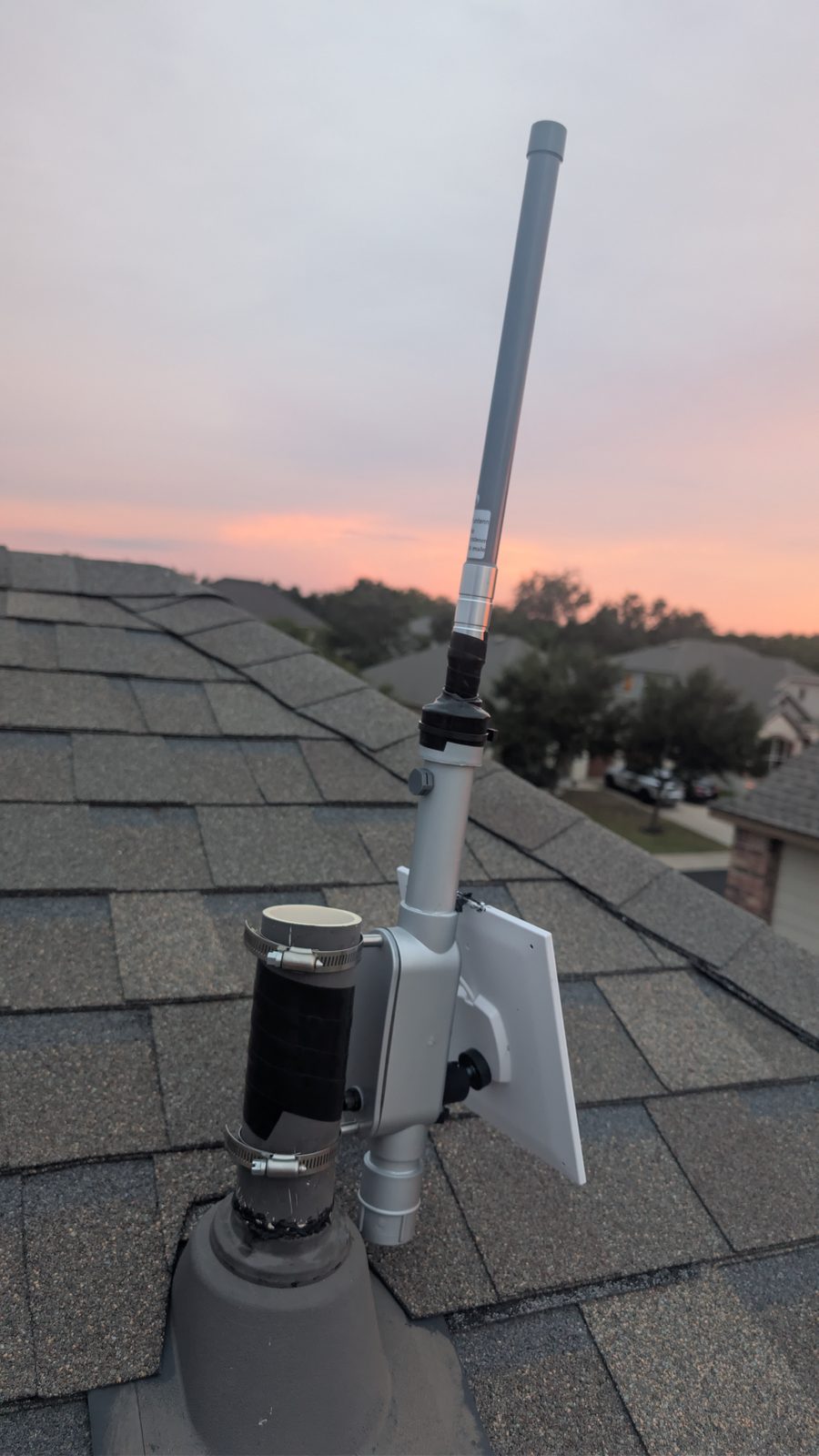
Want the whole repeater, not just the board?
Complete solar builds you can copy part for part: photos of each step, the enclosure, power and mounting, and what each variant costs, from $23.00.
See the repeater builds→Flashing an nRF52 repeater? Install the OTAFix bootloader first
LoRa boards come in two families: ESP32 models, which have Wi-Fi as well as Bluetooth, and nRF52 models, which are Bluetooth-only. Before you flash MeshCore onto an nRF52 repeater, update its bootloader to OTAFix using MeshCore's OTAFix guide↗. It makes firmware updates over Bluetooth dependable, which matters once the repeater is up on a roof.
Boards built on a Seeed XIAO often ship with its Sense bootloader and need the Sense version of OTAFix. The guide shows how to check.
nRF52 repeaters on this page: Heltec T096, RAK WisBlock (4631), WisMesh High Power Booster Kit, XIAO nRF52 w/ Wio-SX1262, ThinkNode M6 Solar, Atlavox Beacon Solar, SenseCap Solar Node P1.
Pre-built nodes adds convenience for a premium cost. Building your own takes more work, but it can get you more power for a much more affordable price.
Build your own
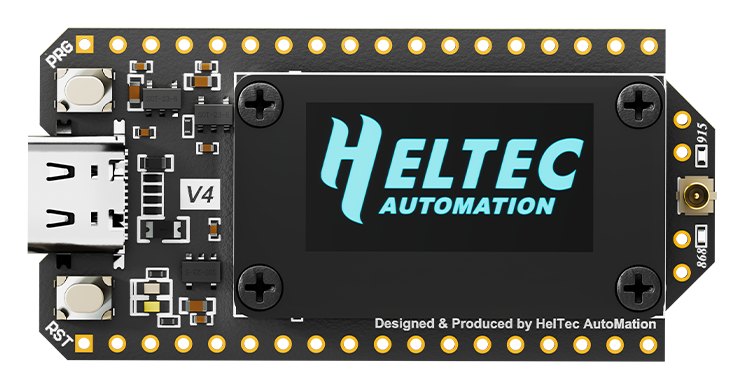
Heltec WiFi V4
There are more of these on the mesh than anything else, it has a built in amplifier bumping the power to 631mW (28dBm) for a low cost but has a higher power consumption compared to others. Over the air updates are supported over a hotspot WiFi, so you can update MeshCore without a USB cable.
Where to buy
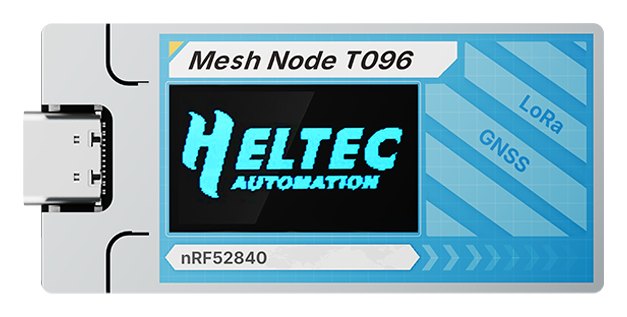
Heltec T096
Has a built in amplifier bumping the power to 631mW (28dBm) for a moderate cost without being too power hungry. Over the air updates are supported via Bluetooth, so you can update MeshCore without a USB cable.
Where to buy
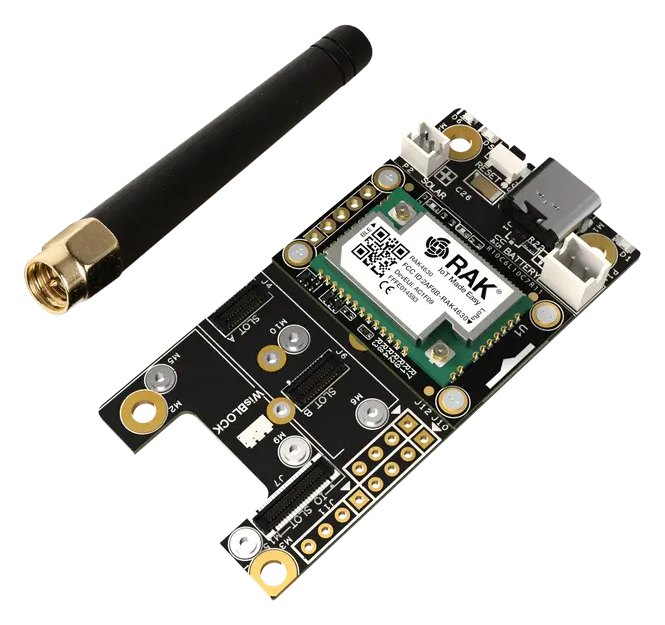
RAK WisBlock (4631)
Very low power draw and a modular enclosure ecosystem. Starts off at 158mW (22dBm) but can upgrade to 1W (30dBm) with a 1W booster module. The usual choice for a solar repeater that has to sit on a mast and be forgotten. Over the air updates are supported via Bluetooth.
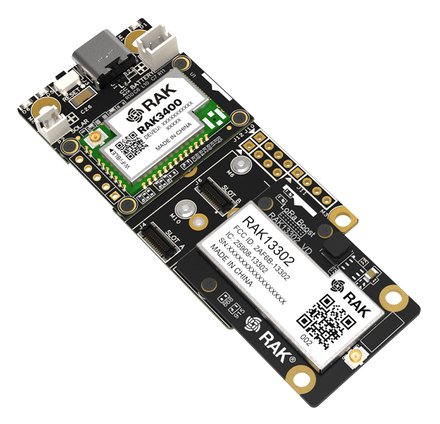
WisMesh High Power Booster Kit
A RAK WisBlock build with up to 1W (30dBm) booster module and a built-in RF filter, for a repeater that has to reach further. Connect a battery or a stable 5V supply for full power, and flash the RAK3401 build: a RAK4631 build will not drive the booster.
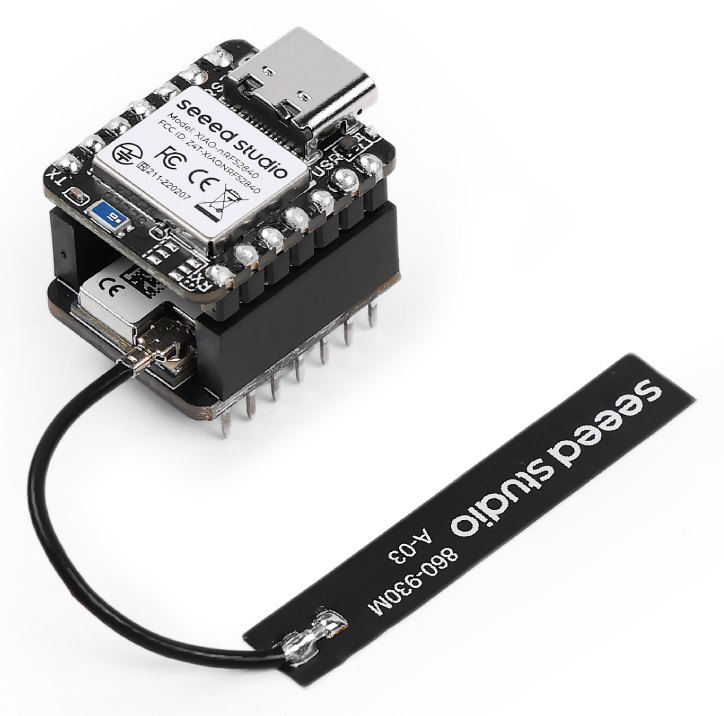
XIAO nRF52 w/ Wio-SX1262
An inexpensive compact LoRa board that can transmit at 158mW (22dBm), which is a good choice for a repeater if you are comfortable with soldering and want to save money and need to deploy a lot of them. Over the air updates are supported via Bluetooth.
Pre-built
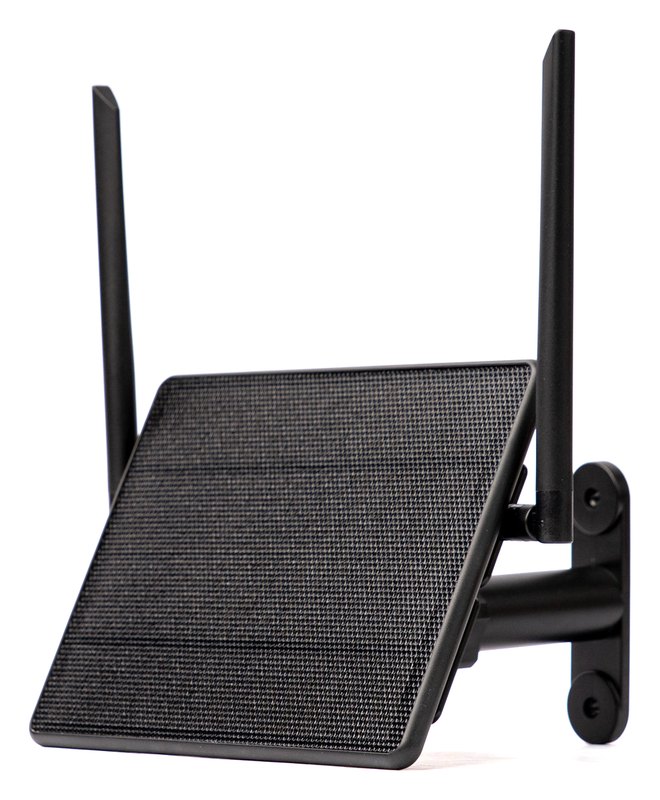
ThinkNode M6 Solar
Everything a solar repeater needs in one weatherproof box: a 6W panel, 7000 mAh of battery, antennas and a wall-mount bracket. It transmits at 158mW (22dBm), less than an amplified DIY board, and under MeshCore its status LEDs don't work yet.
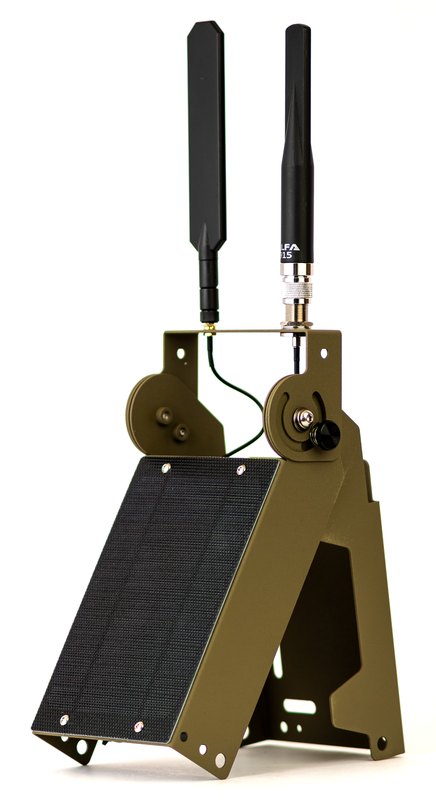
Atlavox Beacon Solar
A rugged, made-to-order solar repeater on the same RAK WisBlock core as the DIY pick with 158mW (22dBm) transmission power: an IP67 aluminum enclosure in a metal frame with a 5W panel, a 5000 mAh battery and a rail for the antennas. It ships with Meshtastic, so plan to flash MeshCore yourself, and mounting hardware is sold separately.
Reviewed by NoDak Mesh (opens in a new tab)
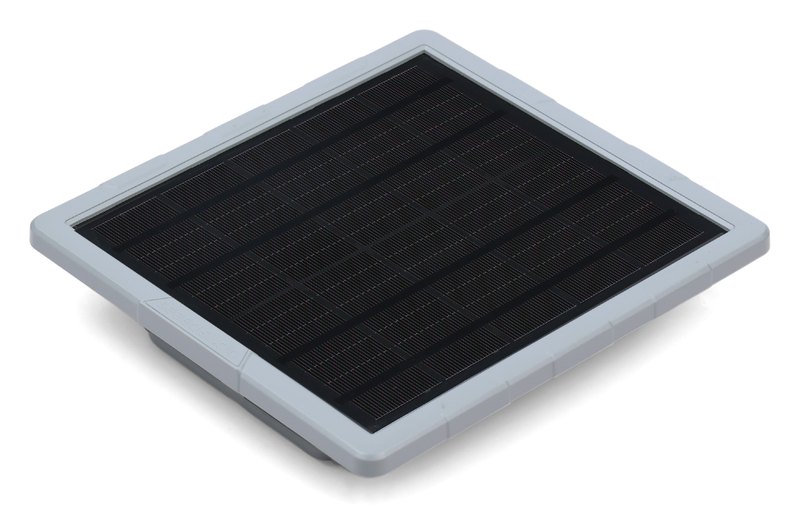
SenseCap Solar Node P1
An affordable solar repeater built on the same XIAO nRF52840 and Wio-SX1262 as the DIY pick with 158mW (22dBm) transmission power, a 5W panel and room for four 18650 cells. Batteries and GPS aren't included, so budget for four button-top 18650s but a Pro version is available which includes batteries and gps module. The antenna's default position can cause poor reception because of the solar panel, and the mounting brackets can be sharp.
Reviewed by NoDak Mesh (opens in a new tab), Adrelien (opens in a new tab)
Where to buy